Summary
Faith that works, tested and proven in everyday obedience.
by Dr. David Silver2 min read
Read the Summaryby Dr. David Silver2 min read
James is a NT epistle, written by the half-brother of Jesus, after he became a leader in the first century church. It was one of the first NT books written with a date of about 46 A.D. James wrote to Jewish Christians who were facing persecution. He wrote a wisdom book, with over fifty imperatives (about half the letter), using OT principles and allusions to the Sermon on the Mount. The major theme was remaining joyful during trials so that the believers would mature in their faith, becoming whole.
The key verses of the book are 1:2-4. James wants the believers to learn to persevere through trials and to become mature. Through the book James takes us through a series of steps to accomplish this. If one lacks wisdom, he should ask for it (1:5). If someone asks for wisdom, they should believe and not doubt (1:6). Blessed is the man who perseveres under trial, because he will receive the crown of life (1:12).
James warns the rich to avoid focusing on the benefits to self in this life only. The rich will pass away like a wild flower (1:10). The rich man will fade away while he goes about his business (1:11). The rich are exploiting and dragging others into court. They slander the name of the Lord (2:6-7). Then James warned the rich (likely unbelievers) about living in luxury and self-indulgence (5:1-6).
The three enemies of the believer (the world, the flesh, and the devil) will all attempt to hinder growth. James deals with each one (the flesh in 1:13-18; the world in 4:1-5; the devil in 4:7). James also gives positive proactive advice to grow in faith: accept the word and obey it (1:18-27); avoid favoritism (2:1-13); show your faith by deeds (2:14-26); tame the tongue (3:1-12); practice heavenly wisdom (3:13-17); submit to God (4:1-12); avoid boasting (4:13-17); be patient and stand firm (5:7-12); pray (5:13-18).
James wants the believers to know that their faith will be tested. There will be trials. But God is there to help them to navigate the difficulties. He has given them wisdom from above, by his grace, to live the Christian life. They are to pray fervently, live according to the Word of God, and resist their enemies. As they draw near to God humbly, he will lift them up (4:10).
Structure
Chapter 1
Count it all joy; ask for wisdom and do not doubt; the rich will fade away; and be doers of the word, not hearers only.
Chapter 2
Do not show partiality to the well dressed, and faith without deeds is dead — as Abraham and Rahab both show.
Chapter 3
A small rudder, a small spark; and the wisdom from above, which is pure, peaceable and full of mercy.
Chapters 4–5
Quarrels traced to desires, pride answered by humility, presumption about tomorrow, warnings to the rich, patience like a farmer’s, and the prayer of a righteous person.
Key Themes
01
Testing produces perseverance, and perseverance maturity.
02
What you believe shows in what you do, or it is not faith.
03
The hardest thing to tame, and the clearest sign of maturity.
04
A wisdom book of the New Testament, full of commands and echoes of the Sermon on the Mount.
05
Treating the poor as less is sin, stated plainly.
The Challenge We Face
James mentions Jesus by name only twice, and yet the letter is saturated with His teaching: nearly every paragraph echoes the Sermon on the Mount.
The brother who once did not believe in Him opens by calling himself a servant of the Lord Jesus Christ — which is its own quiet argument for the resurrection.
Apply Scripture
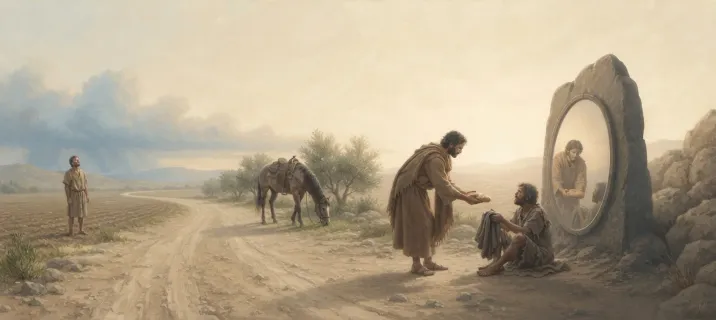
Trials are not pointless; they are producing something.
Ask God for wisdom — He gives generously and without reproach.
Faith that changes nothing in your life is not faith.
Watch your words; they are the most revealing thing about you.
Draw near to God and He will draw near to you.

Study guides
You've seen the big picture. Now explore the book verse by verse with our practical Bible Study Guide.
Related Resources