Summary
Understanding holiness, worship, and God's presence among His people.
by Dr. David Silver2 min read
Read the Summaryby Dr. David Silver2 min read
This third book of the bible and of the Torah, written by Moses, discusses the priesthood as well as instructions to laypeople of how to worship God. The first Hebrew word meant “and he called.” Most chapters begin with ‘the Lord said to Moses’ reminding the reader that Moses is telling his story. Holiness is the clear theme of Leviticus. The book is divided into two sections: chapters 1-15 dealing with priestly holiness and chapters 17-27 dealing with practical holiness. Chapter 16, a bridge chapter, focuses on the Day of Atonement (also known as Yom Kupper) which is also a key idea this book is emphasizing.
The first seven chapters deal with six distinct types of sacrifices. Aaron’s sons Nadab and Abihu were ordained but offered unauthorized fire before the Lord; fire came out from the presence of the Lord and consumed them and they died (Leviticus 10:2). This was a warning to all Israel to be careful to worship in the prescribed way. Chapters 11-15 cover clean verses unclean topics including: food, childbirth issues, skin diseases, mildew, and discharges.
The Day of Atonement was the most solemn festival- the Israelites mourned, fasted, and repented. Aaron sacrificed a bull for himself and his family. Then he sacrificed a goat to cover the sins of the people. A second goat, known as the scapegoat, symbolically had the sins of the entire nation put on its head and it was driven out into the desert to die (Leviticus 16:21).
The practical holiness section covers multiple areas including avoiding eating blood, unlawful sexual practices, gleaning and various other laws (many of which point back to the Ten Commandments). Chapter 20 deals with punishments for sins. The Sabbath and the festivals are reviewed briefly in chapter 23. The year of Jubilee is explained in chapter 25. Reward for obedience and punishment for disobedience is highlighted in chapter 26. Finally, in chapter 27, the book ends with discussing the value of a vow. Vows could be made regarding people, animals, or property. Lastly, prohibitions and tithes are expounded.
Israel would have many years to practice these laws of holiness because Israel ends up wandering in the desert for forty years as they fail to enter the Promised Land when the opportunity comes. The book of Numbers picks up the story from there.
Structure
Chapters 1–7
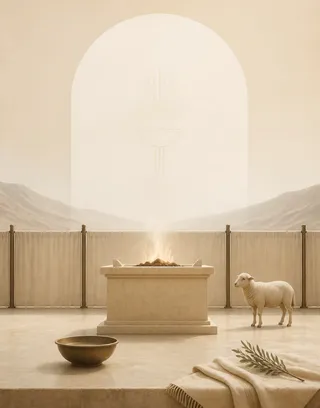
Six kinds of sacrifice are prescribed, each a different way of dealing with sin and drawing near to God.
Chapters 8–15
The priesthood is ordained, Nadab and Abihu are judged for unauthorised worship, and clean and unclean are distinguished.
Chapter 16
The most solemn day of the year: a bull for the priest, a goat for the people, and a scapegoat driven out bearing the nation’s sin.
Chapters 17–27
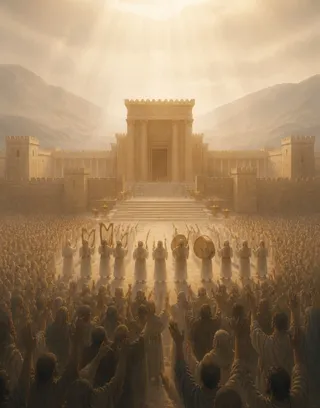
Holiness reaches into food, family, work, speech, and the land, through the Sabbath, the festivals, and the Year of Jubilee.
Key Themes
01
God is holy, and His people are called to be holy as He is.
02
Sin is covered only by a life given in place of the sinner.
03
God tells His people how He is to be approached; worship is not self-invented.
04
A mediator stands between a holy God and a sinful people.
05
Holiness is lived out in ordinary life, not only at the altar.
The Challenge We Face
Every sacrifice in Leviticus is a picture that is never finished: the offerings are repeated because they cannot take sin away.
The book of Hebrews reads Leviticus as a shadow of the better priest and the better sacrifice. On the Day of Atonement one goat dies and another carries the sin away; Christ does both, dying in our place and carrying our guilt from us for good.
Apply Scripture
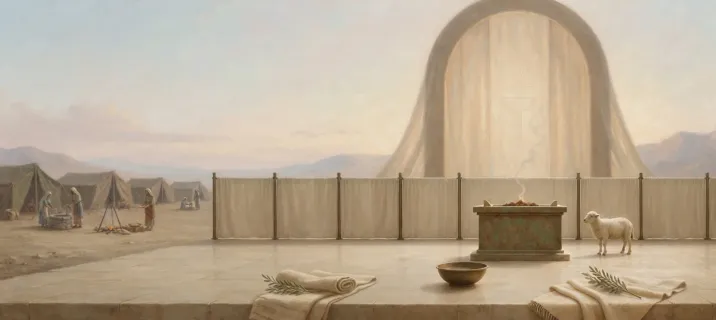
God is approachable, but on His terms, not ours.
Sin is costly; the sacrifices make that visible.
Holiness touches every part of ordinary life.
Worship is something God defines, not something we invent.
The repetition of sacrifice points to a need only Christ finally meets.
Study guides
You've seen the big picture. Now explore the book verse by verse with our practical Bible Study Guide.
Related Resources