Summary
Prayers and songs of faith, from sorrow and doubt to praise and hope.
by Dr. David Silver4 min read
Read the Summaryby Dr. David Silver4 min read
The book of Psalms contains one hundred and fifty psalms (poems, prayers, and songs). It is structured into five books, an introduction and a conclusion. The introduction is the first two psalms. Psalm 1 speaks about the blessing of delighting in, meditating on, and living out the Torah (the law, or first five books of the Bible). Psalm 2 discusses the Messiah and taking refuge in him (Psalm 2: 12). These two themes will permeate the book of psalms throughout. The conclusion is the last five psalms which all contain the word halleluiah (praise the Lord). Psalms are organized into five books, each ending in a doxology. The book of Psalms is a ‘new Torah.’ Psalms were composed over a millennium with Moses (fifteen century B.C.) writing one psalm and other authors during the post-exilic period (after 586 B.C.). David composed about half of the psalms, Asaph did twelve, the sons of Korah did eleven, Solomon did two, Heman and Ethan each did one, and about one-third of the Psalms are anonymous. The Psalms are usually either laments (complaints about what is happening) or praises (joy in what is happening). Laments (about 40% of the psalms; Psalm 88 is a classic example) are more prevalent in the first three books and praises predominate in the last two books. Psalms can also be classified as penitential (remorse for sin), imprecatory (calling down curses on enemies), coronation (enthronement of a king), historic (detailing events), and others. They span the spectrum of human emotion and build our faith in God.
Psalms are poetry and use parallelism as the main device to communicate truth. They also use imagery, structure, symmetry, and repetition to emphasize wisdom. For example, Psalm 8 begins and ends with the phrase, ‘O Lord, our Lord, how majestic is your name in all the earth’. It is not unusual for the key idea to be in the middle of the psalm. There are nine verses, so in Psalm 8 the central truth is in verse 5. It speaks about the role of humanity and how God honors his creation of man.
Psalm 19 focuses on creation (general revelation) in the first half (vv.1-6) and the torah (special revelation) in the second half (vv.7-14). The heavens declare the glory of God (v.1). The law of the Lord is perfect, reviving the soul (v.7). Psalm 22 is a clear Messianic psalm, the most quoted in the NT (even by Jesus on the cross). Psalm 23 is the most well-known psalm and has been a comfort to God’s people through the ages.
Psalm 32 is a penitential psalm (one of seven including Psalms 6, 38, 51, 102, 130, and 143) which is one of thirteen that begins with the subscript maskil (the meaning has been lost, but it is thought of as a poem for instruction and meditation). This psalm was likely written by David after Psalm 51, where he repented for his sin of committing adultery with Bathsheba and killing her husband Uriah. He wanted to help others to walk the road of restoration after these devastating events.
Psalm 73 is attributed to Asaph, who is acknowledged as author in most of the psalms in book 3. Though he recognized God’s goodness to Israel (v.1), he struggled with the prosperity of the wicked (v.3). After all, Psalm 1: 6 says the wicked will perish. For a while Asaph felt it might be in vain (v. 13) that he kept his heart pure and followed the Torah. When he entered the sanctuary of God, then he understood their final destiny (v. 17). He ends the psalm beautifully.
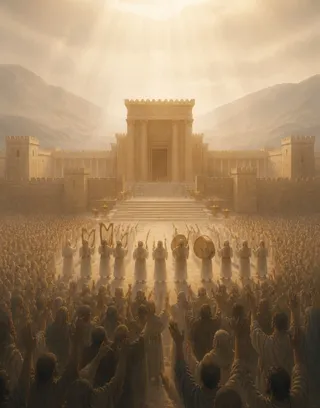
“Psalm 100 concludes a series of psalms (93-100) that were all written to inspire people to praise God as Lord over all the earth.” It is a joyful psalm of praise and thanksgiving. The Lord is good, loving, faithful, our creator, and shepherd. In like fashion Psalm 103 begins with praise in the first two verses and ends with praise in the last three verses. It highlights his holiness, benefits, forgiveness, redemption, love, compassion, renewal, righteousness, ways, deeds, grace, and sovereignty. Our souls should praise him and all his works everywhere in his dominion (v.22).
Psalm 119 is an acrostic poem using the letters of the Hebrew alphabet at the beginning of each section. It is the longest chapter in the bible and expounds the importance of the Word. The psalmist uses eight different words to describe God’s law for variety. Psalms 120-134 are called the songs of ascent, which were sung while pilgrims were on their way to Jerusalem. In Psalm 136, the recurring phrase ‘His love endures forever’ appears at the end of every verse. Despite their history of exile, trials and persecution, the Psalter ends giving Israel hope in a great God with mighty acts of power. “He has raised up for his people a horn (Psalm 148: 14).” This horn is the Messiah who came at the appointed time, Jesus Christ.
Structure
Psalms 1–41
Opening with the blessed man of Psalm 1 and the anointed king of Psalm 2 — Torah and Messiah, the two themes of the whole Psalter. Mostly David, and mostly lament.
Psalms 42–72
The psalms of the sons of Korah and more of David, including the great confession of Psalm 51, closing with a prayer for the king’s son.
Psalms 73–89
Asaph’s psalms and some of the darkest in the book, wrestling with the prosperity of the wicked and the apparent failure of God’s promises.
Psalms 90–106
Beginning with Moses, and answering Book Three by declaring that the Lord reigns.
Psalms 107–150
The songs of ascent, the great acrostic on God’s word in Psalm 119, and five closing psalms that are nothing but praise.
Key Themes
01
About forty per cent of the psalms complain, and God put them in the book.
02
The Psalter moves, over five books, from crying out to pure praise.
03
Psalm 1 and Psalm 119 frame delight in God’s law as the shape of a blessed life.
04
Psalm 2 introduces the Lord’s anointed, and the royal psalms keep Him in view.
05
Again and again, the answer to trouble is to take shelter in God Himself.
The Challenge We Face
Psalm 22 opens with the words Jesus spoke from the cross and describes the crucifixion centuries before it happened. Psalm 110 is the verse the New Testament quotes most.
Jesus sang these psalms, prayed them, and told the disciples that everything written about Him in the Psalms had to be fulfilled. They are the prayer book He used and the prayer book that describes Him.
Apply Scripture
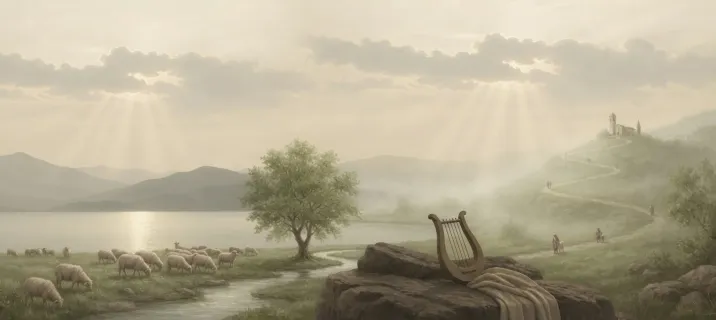
You can bring God your anger, grief and confusion; He has given you the words.
Praise is where the Psalter is going, even when it starts in the dark.
Meditating on Scripture is the root of a steady life.
Perspective often changes in the sanctuary, as it did for Asaph.
Put your trouble into words and address them to God rather than about Him.
Study guides
You've seen the big picture. Now explore the book verse by verse with our practical Bible Study Guide.
Related Resources